Buying Guides
Buying Guides
The specs that appear in every listing, explained in plain language so you can read a product page properly.
01How to Choose a WigStart with cap size, then choose length, texture, lace area and colour. A tight cap cannot be expanded and the lace area cannot be rebuilt after delivery. Length, colour depth and density can only be reduced; texture can be restyled within the hair's limits.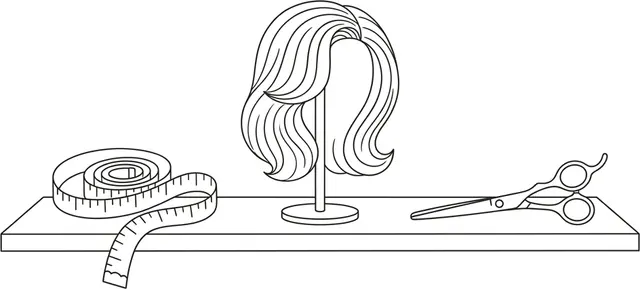 02How to Check a Wig Before Cutting the LaceRead the seller's return conditions before opening everything. Keep the tags, packaging and lace intact; check the order in daylight; then try the wig on indoors without adhesive, products or heat. Photograph any defect before contacting the seller.
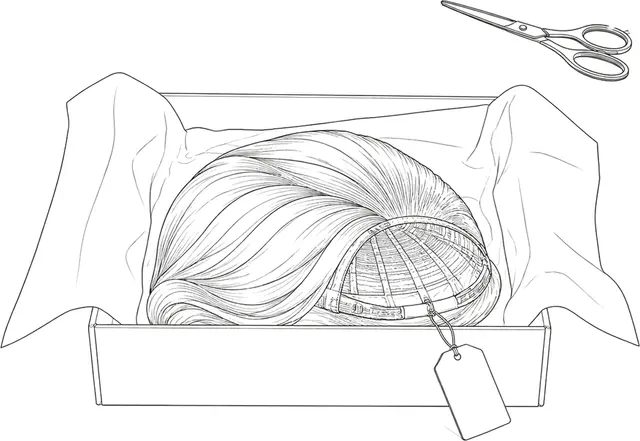 03What a Human Hair Wig CostsEveryday human hair lace fronts often begin around two hundred dollars. Much of the price pays for cap construction and hand work. At lower prices, synthetic fibres and blends are more common; higher prices often reflect added length, colour work or an in-person fitting service.
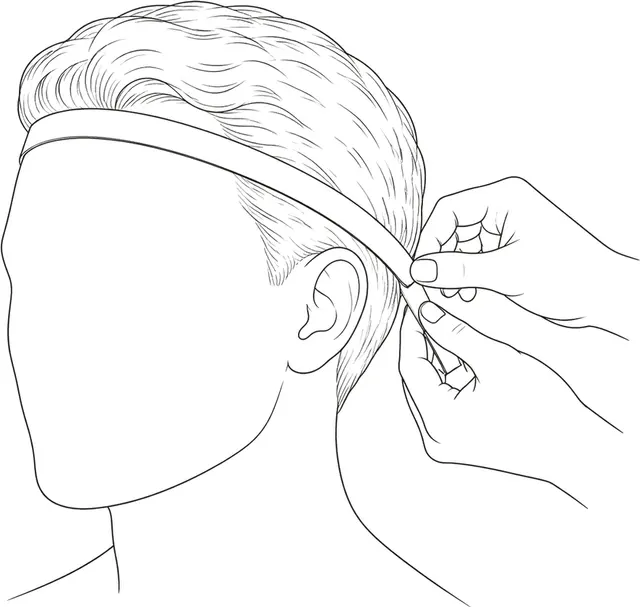
 04Wig Cap Size GuideMeasure the circumference of your head along your hairline, above your ears and around the nape — twice, with a soft tape. Most people land in medium, but the ones who don't are the ones who end up with a wig they never wear.
 05Wig Cap ConstructionThe cap type decides one thing above all — where your parting can go and how convincing it looks from above. Lace front covers the front hairline and a parting near it. Everything beyond that is buying more parting freedom at a steadily higher price.
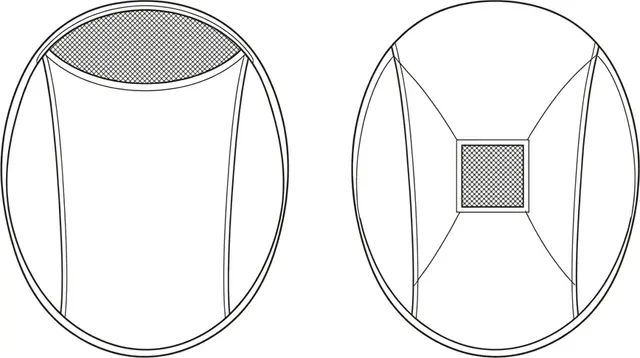 06HD Lace, ExplainedHD lace is finer and more transparent than standard wig lace, so its edge can be easier to blend against skin. The thinner mesh is also easier to tear. It is most useful when the hairline will stay exposed and you are prepared to handle it gently.
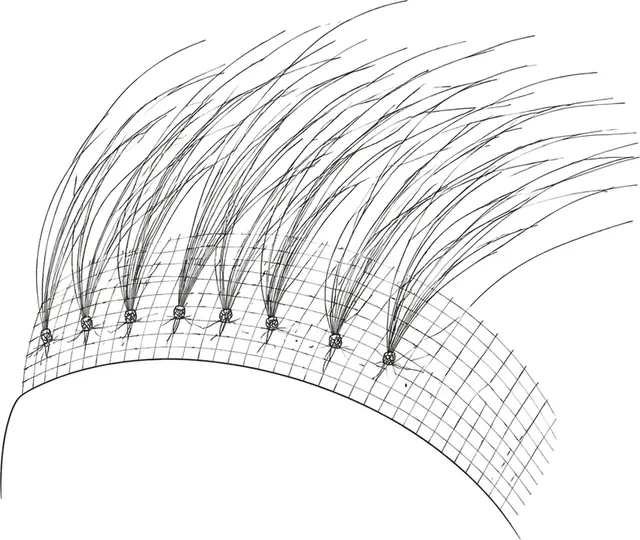 07Wig Lace Colour and TintingCompare clean lace against your forehead in indirect daylight. Choose the closest available depth, then tint only if the edge still looks pale or ashy. Start lighter than the final result, test away from the hairline, and build colour in thin, dry layers.
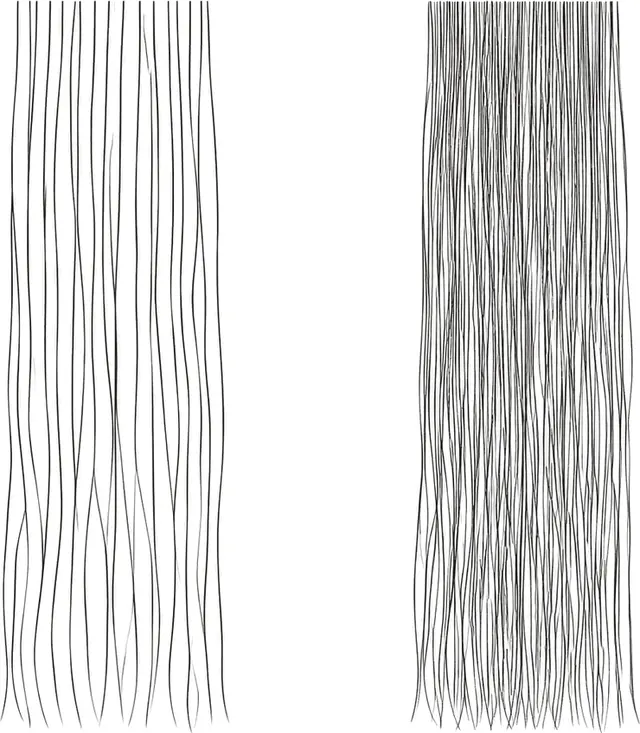
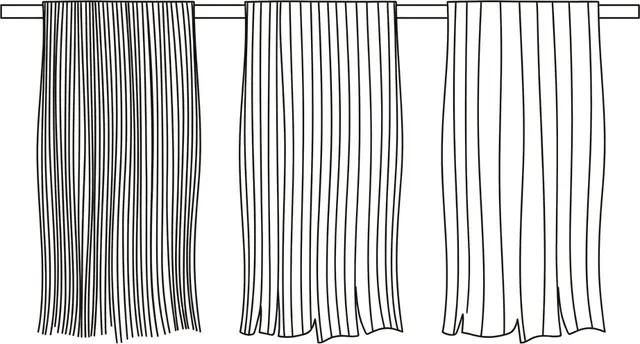
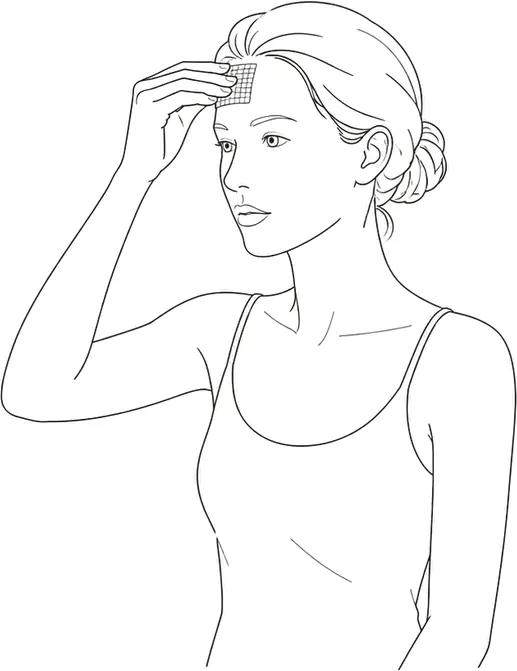 08Wig Density GuideDensity is how much hair is attached to the cap, given as a percentage against an average head. It's the spec that decides weight, heat and how obviously a wig reads as a wig — and in ready-to-wear human hair the listings cluster hard at 180%, so in practice the levers you have are length and having a stylist thin it.
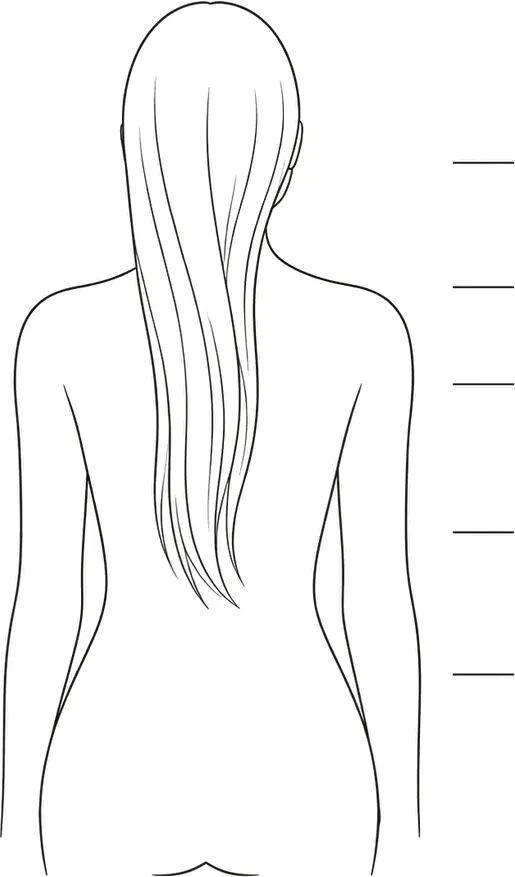
 09Wig Length GuideWig length is measured stretched, from the cap to the ends, and it's the number of inches you'd get if you pulled the hair straight. That makes it reliable on straight hair and misleading on anything textured — and where it lands on your body depends on your height and torso, not on the wig.
 10Choosing a Wig ColourCompare warm, cool and neutral shades against your face in daylight and in the indoor light where you get ready. Product photographs can shift colour, so check several images when possible. Root shadows and tonal variation often blend more naturally than a uniform shade from root to tip.
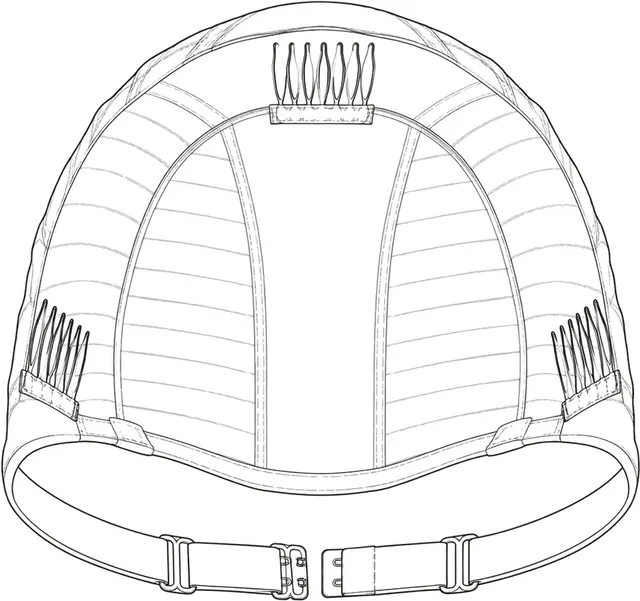
 11Glueless Wig GuideA glueless wig is held by a correctly sized cap, two adjustable straps and two or three small combs, and for ordinary daily wear that's genuinely enough. What it won't do is survive high wind or someone tugging at it, and that's the whole trade-off.
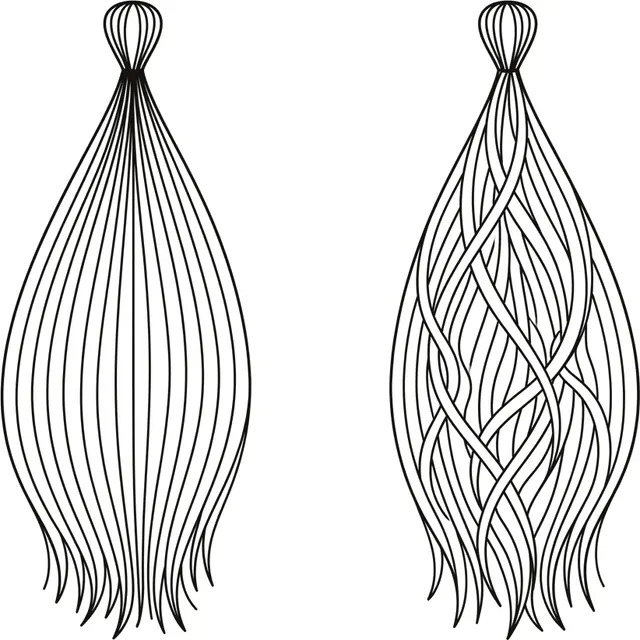
 12Bleached Knots and Pre-Plucked HairlinesBoth phrases describe work done at the factory to make a hairline look less uniform. Pre-plucked means hair has been removed to soften the density at the front; bleached knots means the dark dots where each strand is tied have been lightened. Heavily bleached knots look better on day one and weaken the lace, which is why lightly bleached is the more sensible buy.13Virgin, Remy and Double DrawnRemy describes hair whose cuticles run in the same direction, a construction detail that can reduce tangling. Virgin refers to the hair before later factory processing. Double drawn mainly describes fullness through the ends, while labels such as Brazilian are trade descriptions and do not prove geographic origin.
 14Finding a Wig Fitter Near YouSearch for services such as "wig fitting", "wig cutting" or "hair loss salon", then add your town or region. A general wig shop may only sell stock. Before travelling, call to confirm that the provider measures, cuts or adjusts wigs and allows the type of appointment you need.
 15What to Expect at a Wig FittingExpect somewhere between forty minutes and two hours, in four stages — talking, measuring, trying on, then cutting. The cutting is the part you are really paying for, and it is the part people forget to ask about when they book.
02How to Check a Wig Before Cutting the LaceRead the seller's return conditions before opening everything. Keep the tags, packaging and lace intact; check the order in daylight; then try the wig on indoors without adhesive, products or heat. Photograph any defect before contacting the seller.03What a Human Hair Wig CostsEveryday human hair lace fronts often begin around two hundred dollars. Much of the price pays for cap construction and hand work. At lower prices, synthetic fibres and blends are more common; higher prices often reflect added length, colour work or an in-person fitting service.04Wig Cap Size GuideMeasure the circumference of your head along your hairline, above your ears and around the nape — twice, with a soft tape. Most people land in medium, but the ones who don't are the ones who end up with a wig they never wear.05Wig Cap ConstructionThe cap type decides one thing above all — where your parting can go and how convincing it looks from above. Lace front covers the front hairline and a parting near it. Everything beyond that is buying more parting freedom at a steadily higher price.06HD Lace, ExplainedHD lace is finer and more transparent than standard wig lace, so its edge can be easier to blend against skin. The thinner mesh is also easier to tear. It is most useful when the hairline will stay exposed and you are prepared to handle it gently.07Wig Lace Colour and TintingCompare clean lace against your forehead in indirect daylight. Choose the closest available depth, then tint only if the edge still looks pale or ashy. Start lighter than the final result, test away from the hairline, and build colour in thin, dry layers.08Wig Density GuideDensity is how much hair is attached to the cap, given as a percentage against an average head. It's the spec that decides weight, heat and how obviously a wig reads as a wig — and in ready-to-wear human hair the listings cluster hard at 180%, so in practice the levers you have are length and having a stylist thin it.09Wig Length GuideWig length is measured stretched, from the cap to the ends, and it's the number of inches you'd get if you pulled the hair straight. That makes it reliable on straight hair and misleading on anything textured — and where it lands on your body depends on your height and torso, not on the wig.10Choosing a Wig ColourCompare warm, cool and neutral shades against your face in daylight and in the indoor light where you get ready. Product photographs can shift colour, so check several images when possible. Root shadows and tonal variation often blend more naturally than a uniform shade from root to tip.11Glueless Wig GuideA glueless wig is held by a correctly sized cap, two adjustable straps and two or three small combs, and for ordinary daily wear that's genuinely enough. What it won't do is survive high wind or someone tugging at it, and that's the whole trade-off.12Bleached Knots and Pre-Plucked HairlinesBoth phrases describe work done at the factory to make a hairline look less uniform. Pre-plucked means hair has been removed to soften the density at the front; bleached knots means the dark dots where each strand is tied have been lightened. Heavily bleached knots look better on day one and weaken the lace, which is why lightly bleached is the more sensible buy.13Virgin, Remy and Double DrawnRemy describes hair whose cuticles run in the same direction, a construction detail that can reduce tangling. Virgin refers to the hair before later factory processing. Double drawn mainly describes fullness through the ends, while labels such as Brazilian are trade descriptions and do not prove geographic origin.14Finding a Wig Fitter Near YouSearch for services such as "wig fitting", "wig cutting" or "hair loss salon", then add your town or region. A general wig shop may only sell stock. Before travelling, call to confirm that the provider measures, cuts or adjusts wigs and allows the type of appointment you need.15What to Expect at a Wig FittingExpect somewhere between forty minutes and two hours, in four stages — talking, measuring, trying on, then cutting. The cutting is the part you are really paying for, and it is the part people forget to ask about when they book.Every page here has to answer a question someone actually asks and end with a decision you can act on. When we can't do both, we don't publish the page — which is why this list grows slowly.