Wig Care
Wig Care
How to look after a wig so it lasts — written before you buy, so you know what you are signing up for.
01How to Put On a WigAllow about twenty minutes for the first attempt. Flatten your hair, set the straps, place the front edge at your natural hairline, then secure the combs. Once those settings are familiar, the same routine should take only a few minutes and does not require adhesive. 02How to Wash a WigWash less often than you think, always downward, and never in a basin of water you've swirled it around in. Most wigs that go dry and tangled within months were washed too often and too roughly, not made badly.
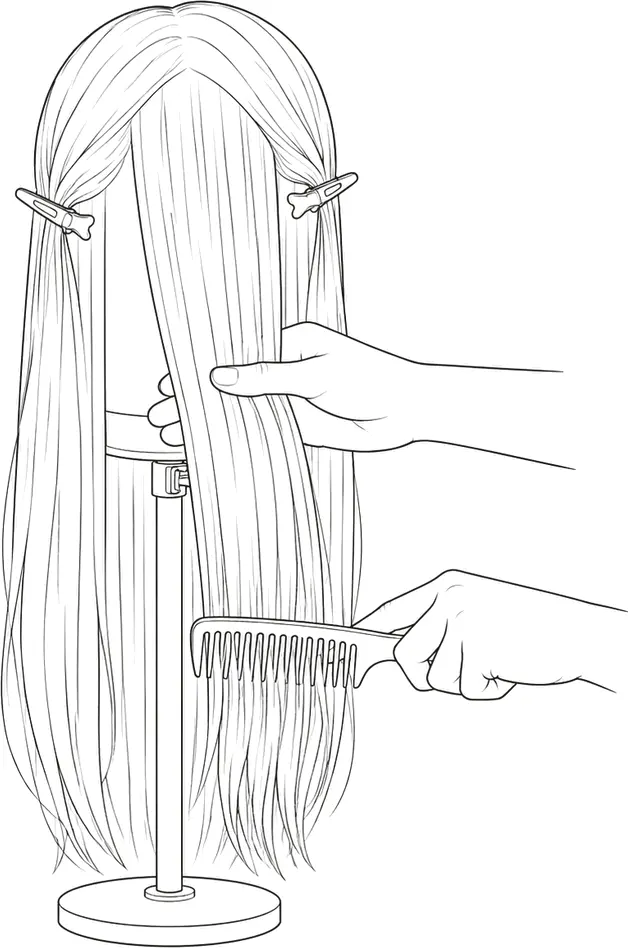
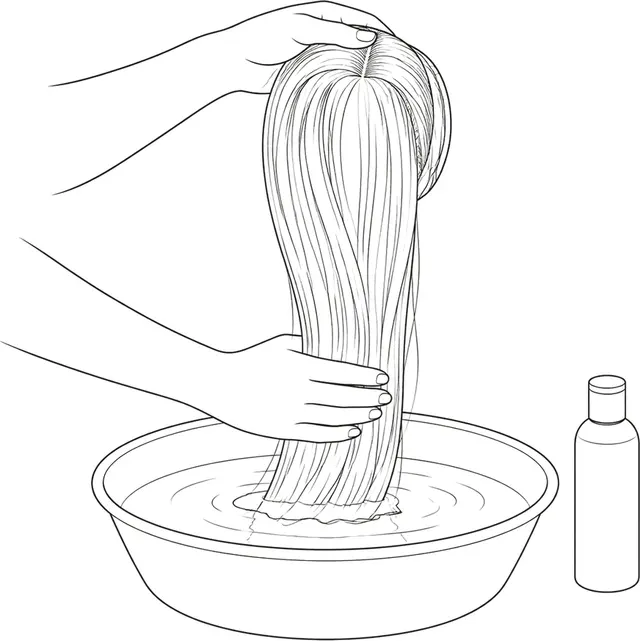 03How to Detangle a Human Hair WigPut the wig on a secure stand, divide it into small sections and support the hair above each knot. Start at the ends with fingers or a wide-tooth comb, then move upward a few centimetres at a time. Use only enough slip product to reduce friction.
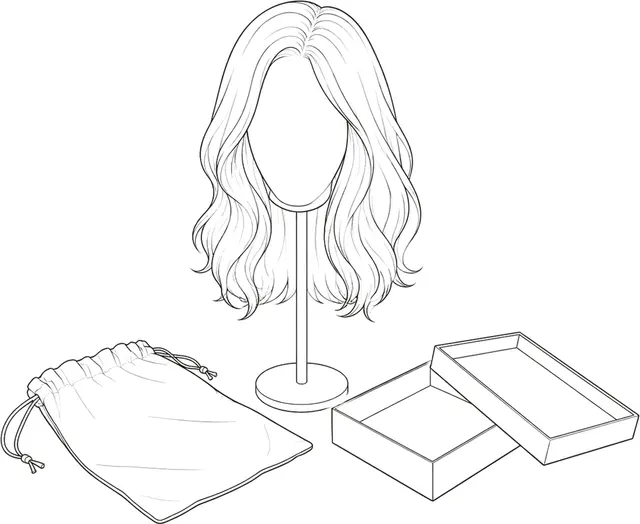
 04How to Store a WigOvernight it goes on a stand, dry and brushed out. Between wearings it stays on the stand. For long-term storage it comes off the stand, gets a satin bag and a box, and lies somewhere dark and dry. The mistake nearly everyone makes is storing a wig that isn't fully dry.
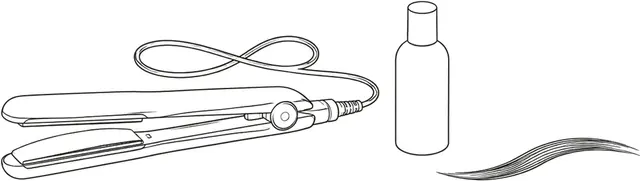
 05How to Heat Style a Human Hair Wig SafelyConfirm the fibre and maker's heat limit, work only on fully dry hair, apply a compatible heat protectant and test a hidden strand. Start at the lowest effective setting, use controlled passes, and keep hot tools away from lace, knots and cap materials.
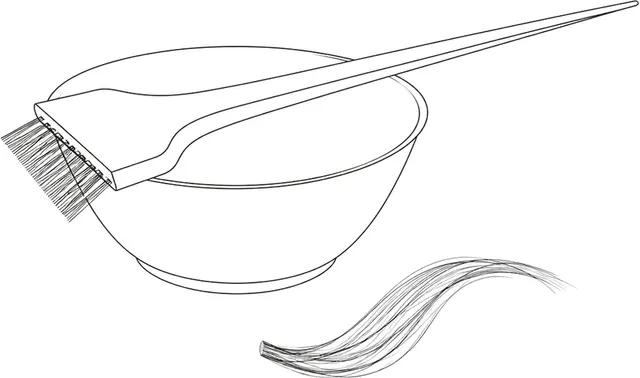
 06Can You Dye a Wig?You can dye a human hair wig darker, and you can tone or gloss it to fix brassiness. You generally can't lift it lighter without damage, because wig hair has already been processed once and has less left in it than hair on a head. Synthetic can't be dyed at all with ordinary colour.
 07How Long Should a Wig Last?Count wearings, not calendar months. Our planning range for a human hair lace front is about 150 to 300 good wearings. That is an editorial rule of thumb, not a tested industry figure. Friction at the nape and repeated handling of the lace usually determine when it needs replacing.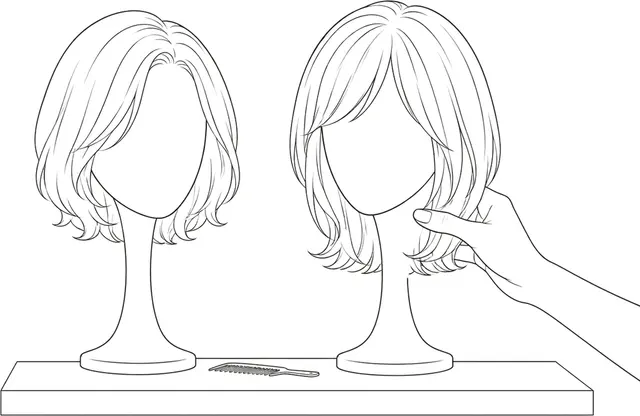
02How to Wash a WigWash less often than you think, always downward, and never in a basin of water you've swirled it around in. Most wigs that go dry and tangled within months were washed too often and too roughly, not made badly.03How to Detangle a Human Hair WigPut the wig on a secure stand, divide it into small sections and support the hair above each knot. Start at the ends with fingers or a wide-tooth comb, then move upward a few centimetres at a time. Use only enough slip product to reduce friction.04How to Store a WigOvernight it goes on a stand, dry and brushed out. Between wearings it stays on the stand. For long-term storage it comes off the stand, gets a satin bag and a box, and lies somewhere dark and dry. The mistake nearly everyone makes is storing a wig that isn't fully dry.05How to Heat Style a Human Hair Wig SafelyConfirm the fibre and maker's heat limit, work only on fully dry hair, apply a compatible heat protectant and test a hidden strand. Start at the lowest effective setting, use controlled passes, and keep hot tools away from lace, knots and cap materials.06Can You Dye a Wig?You can dye a human hair wig darker, and you can tone or gloss it to fix brassiness. You generally can't lift it lighter without damage, because wig hair has already been processed once and has less left in it than hair on a head. Synthetic can't be dyed at all with ordinary colour.07How Long Should a Wig Last?Count wearings, not calendar months. Our planning range for a human hair lace front is about 150 to 300 good wearings. That is an editorial rule of thumb, not a tested industry figure. Friction at the nape and repeated handling of the lace usually determine when it needs replacing.Every page here has to answer a question someone actually asks and end with a decision you can act on. When we can't do both, we don't publish the page — which is why this list grows slowly.