By Need
By Need
Start from your situation rather than a product category. Each page covers what to prioritise, what to skip, and why.
01Buying Your First WigMeasure your cap size before choosing a style. A manageable length and a familiar colour make it easier to judge fit and comfort without adjusting to several changes at once. Check the return terms and try the wig on before cutting the lace.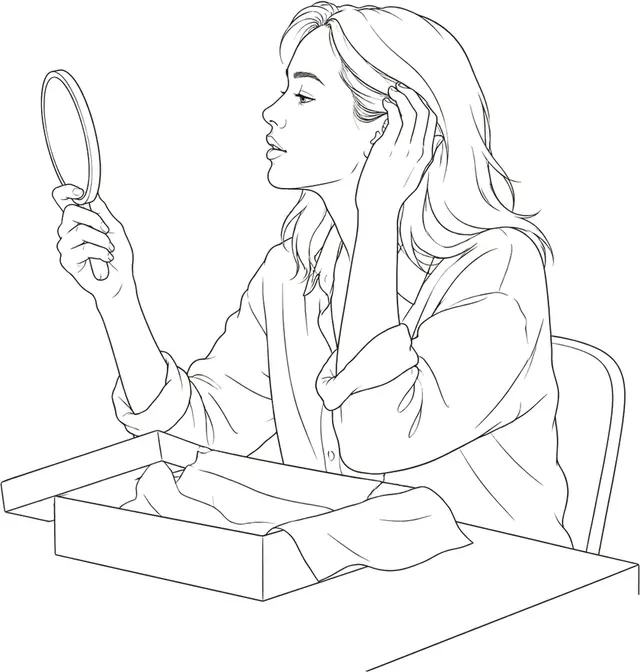 02Wigs for Hair Loss and ThinningWhen the goal is that nobody notices, the specs that matter shift. One natural shade beats highlights, moderate density beats full, and a fringe solves the hardest problem on any wig — the hairline — before it starts.
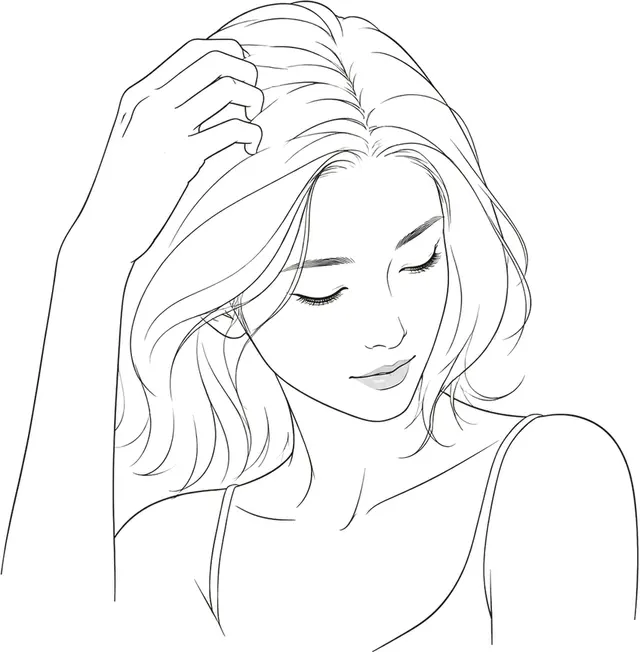 03Wigs During ChemotherapyBuy before treatment starts if you can, in your own colour and a little shorter than your own length, and put comfort ahead of everything else. A wig that sits lightly on a tender scalp gets worn; an impressive one that grips does not.
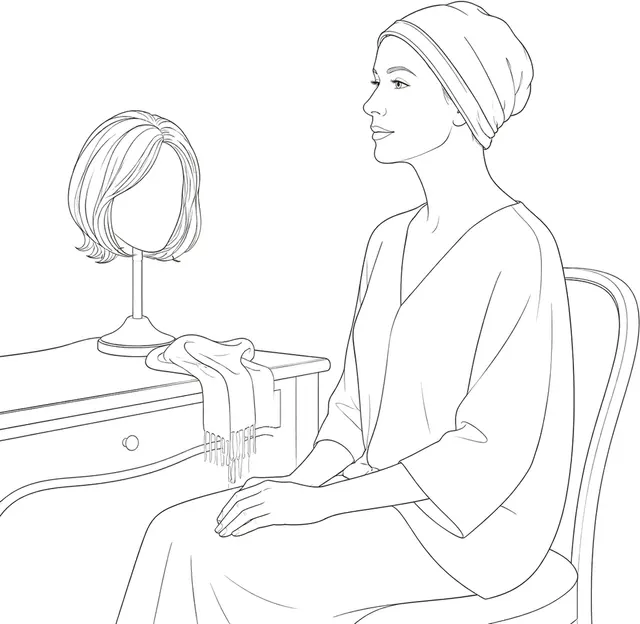 04Wigs for a Sensitive ScalpOnly three things touch your scalp — the cap lining, the seams, and whatever holds the wig on. Choose those three deliberately and the rest of the wig is a style decision. Most reactions people blame on a wig come from the grip band or the adhesive, not the hair.
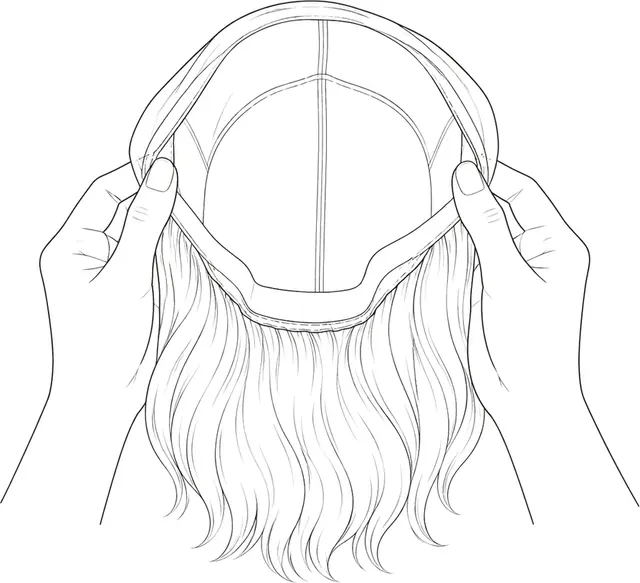 05Wigs for Daily WearBuy for hour eight, not for the first photo. Daily wear rewards mid lengths and a cap you can put on in two minutes, and it punishes everything bought for impact. If you wear one wig every day it will look tired in months; two worn alternately last considerably longer than twice as long.
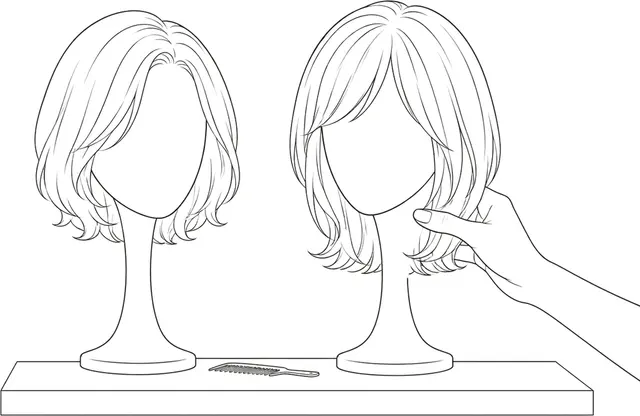 06Wigs for Work and the OfficePick something you'd describe as unremarkable and wear it on a Monday. Office wear is a long-duration, low-drama problem — comfort at hour eight and looking the same every day matter far more than looking impressive on day one.
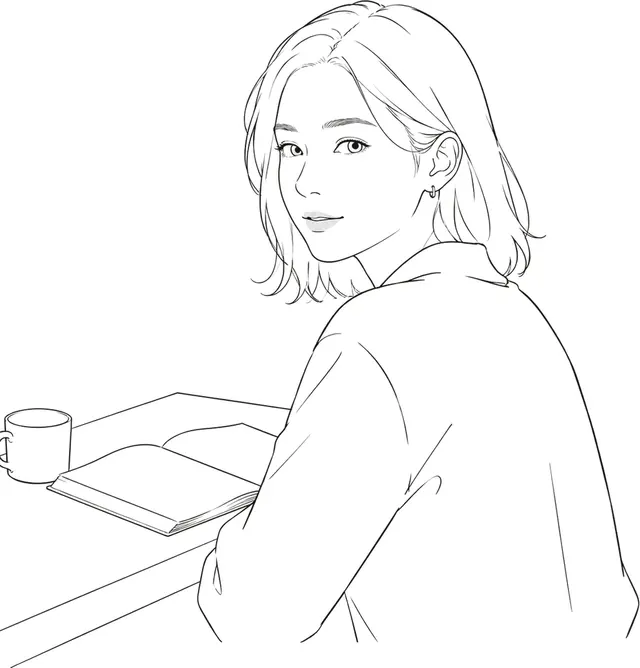 07Wigs for a WeddingOrder at least eight weeks ahead and complete two full trial wears before the wedding. Test the wig with camera flash, then wear it for several hours in similar conditions so shine, heat or a poor cap fit can be corrected while there is still time.
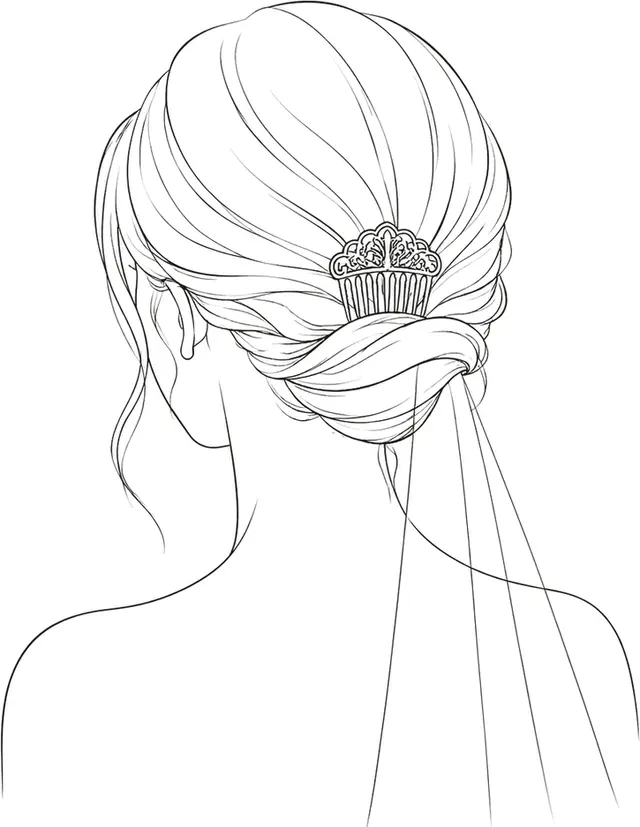 08Wigs for Older WomenStart with a manageable length, moderate-looking volume and a shade that has natural variation. A convincing hairline matters, but so does being able to position and secure the wig by yourself in the light and mirror you use every day.
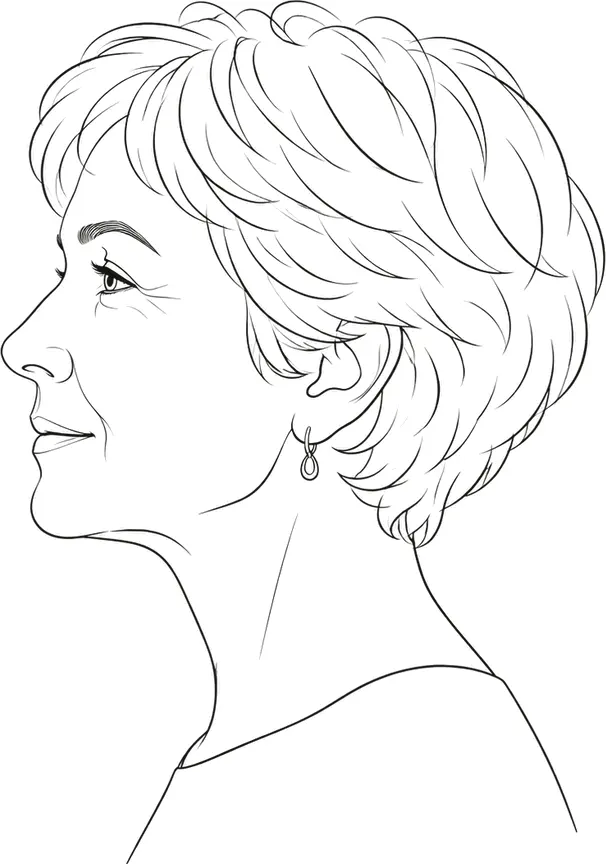 09Wigs for Hot WeatherHeat under a wig is a volume problem before it is a material problem. Less hair and shorter hair beat any claim about breathable caps, because most of what you feel is your own trapped body heat with nowhere to go. Buy short, get the crown thinned, and plan how to get it off your neck.
 10Wigs for ExerciseA short, secure wig is easier to manage during exercise and keeps hair away from the neck. A correctly fitted cap or suitable grip can reduce movement without relying on extra adhesive. Let the cap dry fully after training and clean it according to its material and the maker's instructions.
02Wigs for Hair Loss and ThinningWhen the goal is that nobody notices, the specs that matter shift. One natural shade beats highlights, moderate density beats full, and a fringe solves the hardest problem on any wig — the hairline — before it starts.03Wigs During ChemotherapyBuy before treatment starts if you can, in your own colour and a little shorter than your own length, and put comfort ahead of everything else. A wig that sits lightly on a tender scalp gets worn; an impressive one that grips does not.04Wigs for a Sensitive ScalpOnly three things touch your scalp — the cap lining, the seams, and whatever holds the wig on. Choose those three deliberately and the rest of the wig is a style decision. Most reactions people blame on a wig come from the grip band or the adhesive, not the hair.05Wigs for Daily WearBuy for hour eight, not for the first photo. Daily wear rewards mid lengths and a cap you can put on in two minutes, and it punishes everything bought for impact. If you wear one wig every day it will look tired in months; two worn alternately last considerably longer than twice as long.06Wigs for Work and the OfficePick something you'd describe as unremarkable and wear it on a Monday. Office wear is a long-duration, low-drama problem — comfort at hour eight and looking the same every day matter far more than looking impressive on day one.07Wigs for a WeddingOrder at least eight weeks ahead and complete two full trial wears before the wedding. Test the wig with camera flash, then wear it for several hours in similar conditions so shine, heat or a poor cap fit can be corrected while there is still time.08Wigs for Older WomenStart with a manageable length, moderate-looking volume and a shade that has natural variation. A convincing hairline matters, but so does being able to position and secure the wig by yourself in the light and mirror you use every day.09Wigs for Hot WeatherHeat under a wig is a volume problem before it is a material problem. Less hair and shorter hair beat any claim about breathable caps, because most of what you feel is your own trapped body heat with nowhere to go. Buy short, get the crown thinned, and plan how to get it off your neck.10Wigs for ExerciseA short, secure wig is easier to manage during exercise and keeps hair away from the neck. A correctly fitted cap or suitable grip can reduce movement without relying on extra adhesive. Let the cap dry fully after training and clean it according to its material and the maker's instructions.Every page here has to answer a question someone actually asks and end with a decision you can act on. When we can't do both, we don't publish the page — which is why this list grows slowly.