Check a new wig before you cut the lace
Read the seller's return conditions before opening everything. Keep the tags, packaging and lace intact; check the order in daylight; then try the wig on indoors without adhesive, products or heat. Photograph any defect before contacting the seller.
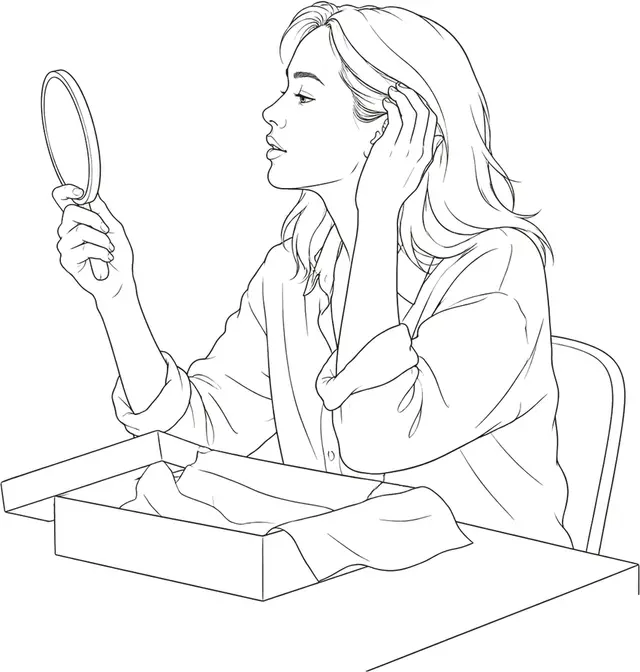
A delivery is not ready for scissors simply because the box looks undamaged. The first check should preserve your options while you decide whether the wig is the item ordered and whether it is in acceptable condition.
Seller rules differ, so this is an inspection sequence, not a promise that a return will be accepted. Read the seller’s current terms first. For products shown on this site, use SoftWig’s return policy.
Before removing the packaging
Find the return window and the condition requirements. Look specifically for rules about cut lace, removed tags, hygiene seals, adhesive, styling products, washing and heat. If a rule is unclear, ask the seller in writing before testing beyond it.
Keep the mailer, box, net, tissue, labels and accessories. Take a photograph of the parcel if it is crushed, wet, open or otherwise damaged. A shipping problem is easier to explain when its condition at delivery is recorded.
Next, compare the label and packing slip with the order confirmation:
- Product or SKU
- Shade and length
- Cap size
- Lace or cap construction
- Any stated density, texture or included accessories
A label mismatch is enough reason to pause. Do not alter the wig to see whether the wrong item can be made to work.
Inspect it off your head
Place the wig on a clean, light-coloured surface in indirect daylight. Indoor bulbs can hide a colour cast, and a dark towel makes loose fibres difficult to see.
Look over the hair from front to nape. Shipping can flatten a style, so lack of volume by itself does not show a fault. Check instead for concentrated bald areas, obvious breakage, severe matting, stains, strong unexplained odour or a texture that does not match the order.
Turn the cap inside out. Follow each seam with your eyes and check that combs, elastic, adjusters and clips are attached. Inspect the lace for tears, runs or holes. A few loose hairs in the net are different from hair releasing continuously when the wig is handled gently.
Do not comb aggressively to prove a shedding concern. Record what happens during light handling and stop before the condition changes.
Check colour in useful light
Compare the wig with the listing in indirect daylight and then in the room where you expect to wear it most. Judge it dry. Wet or product-coated hair reads darker.
Listing photographs, display settings and room lighting can all change how a shade appears. That makes a preference mismatch possible even when the correct shade was sent. It does not excuse a wrong label, a clearly different colour family or colour placement that conflicts with the description.
If the colour is in question, photograph the wig beside a neutral grey or white object without a filter. Do not tone, dye, wash or apply makeup to the lace while the return decision is open.
Try the fit without altering it
Use a clean wig cap if the seller requires one. Fold or hold the uncut lace away from your eyes; do not trim it. Keep adhesive, spray, mousse, oils, hot tools and plucking tools off the wig.
Set the wig at the intended hairline and adjust only the built-in straps. Check:
- Whether the cap reaches the nape without pulling the front backward
- Whether the ear tabs sit at similar heights
- Whether the cap creates pressure at the temples or behind the ears
- Whether it shifts during normal head movement
- Whether the lace area supports the part you expected
Wear it indoors only as long as the seller permits. A loose cap may be reduced with its adjusters. A cap that remains painfully tight cannot be fixed by cutting lace. Use the cap measuring guide to compare the delivered fit with your measurements.
Fault or preference mismatch
A broken fastener, torn lace, wrong item or clear construction defect is not the same as deciding that a correct shade, length or texture does not suit you. Describe what you can observe without diagnosing the cause.
For a possible fault, make a short record:
- Photograph the whole wig, its labels and the affected area.
- Record the order number and delivery date.
- State what was ordered, what arrived and what is wrong.
- Stop wearing or handling it until the seller responds.
Ask for the next step instead of sending it back without authorisation. The seller may require a return reference, specific carrier or additional photograph.
Cut only after the decision
Once the lace is cut, the hair coloured, the knots altered or product applied, it may no longer be possible for a seller to resell the wig. Those actions also make it harder to show which condition existed at delivery.
Finish every check first. If the wig is correct, sound and comfortable enough to keep, move on to fitting and lace preparation. If it is not, leave it exactly as inspected and contact the seller.
Questions people ask
Can I try on a lace-front wig before cutting the lace?
Usually, yes, but the seller's current return conditions control what is allowed. Keep the lace, tags and hygiene seals intact, avoid products and adhesive, and try it only indoors until you have decided.
What should I photograph when a wig arrives damaged?
Photograph the shipping label and package, the wig as first opened, its tags, the full front and back, and close views of the defect. Include the order number when you contact the seller and keep every piece of packaging until the case is resolved.
Is a different-looking colour always a defect?
Not automatically. Screens and indoor lighting can shift colour, so compare the dry wig in indirect daylight with the listing and shade name. A wrong shade or an obvious mismatch from the listing should be documented before any alteration.
When is it safe to cut the lace?
Only after you have checked the order, inspected the hair and cap, tested the fit under the seller's permitted conditions, and decided to keep it. Cutting lace is commonly treated as an alteration.
From the catalogue
Where most people start
This page doesn't narrow the catalogue, so these are simply well-reviewed lace fronts rather than a match to anything above.

Tangle-Free Soft Ombre Brown Sleek Straight HD Lace Front Wig Short Bob for Wedding Parties
- Lengths
- 10" · 12" · 14" · 16"
- Lace
- 13x4 Lace · 13x6 Lace
- Cap
- Small · Medium · Large
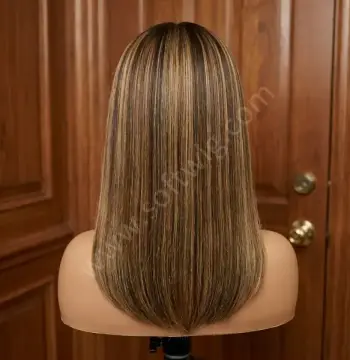
Brown Highlights Straight HD Lace Front Human Hair Wig Pre-Plucked Hairline Glueless
- Lengths
- 12" · 14" · 16" · 18" · 20" · 22" · 24"
- Lace
- 13x4 Lace · 13x6 Lace
- Cap
- Small · Medium · Large

HD Lace Front Human Hair Wig Honey Blonde Straight Bob Pre-Plucked Natural Hairline Hair
- Lengths
- 10" · 12" · 14" · 16"
- Lace
- 13x4 Lace · 13x6 Lace
- Cap
- Small · Medium · Large

HD Lace Front Human Hair Wig Deep Burgundy Wave Middle Part Pre-Plucked Natural Hairline Brazilian Hair
- Lengths
- 12" · 14" · 16" · 18" · 20" · 22" · 24"
- Lace
- 13x4 Lace · 13x6 Lace
- Cap
- Small · Medium · Large